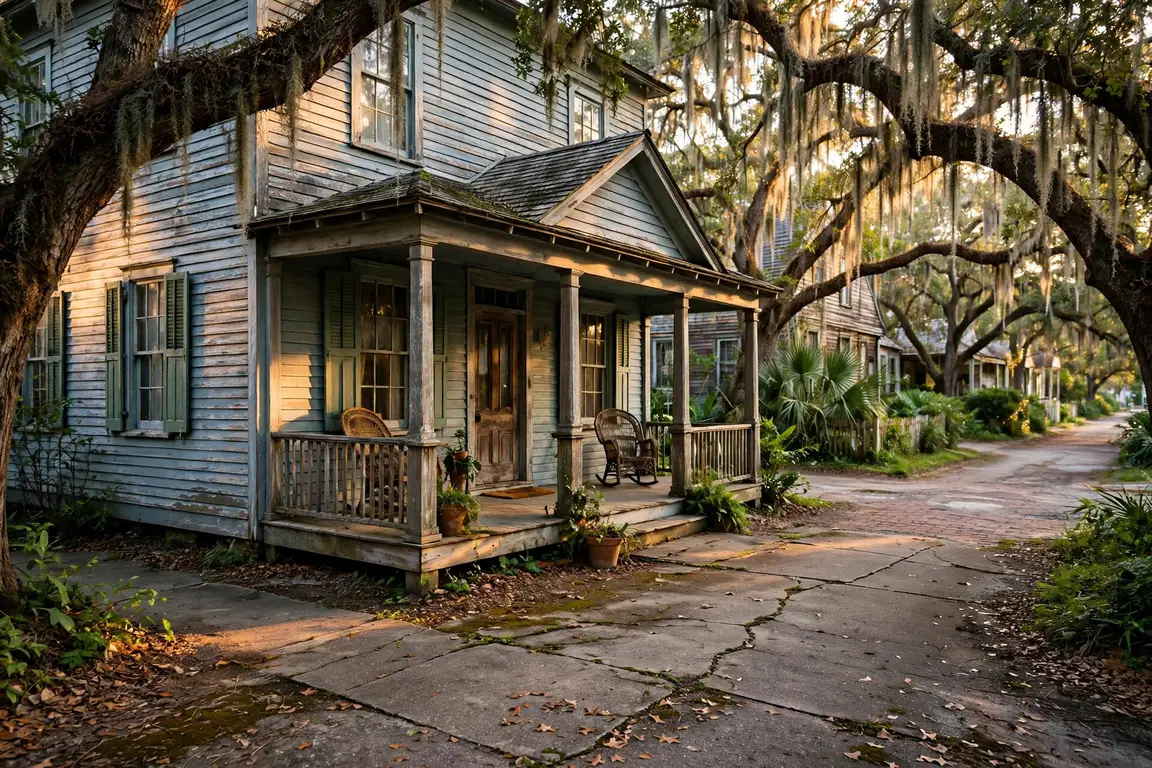

The phone call usually comes a few weeks after the funeral. A son or daughter in Atlanta or Charlotte has inherited a house in St. Augustine, and the questions arrive in a pile. Whose name is the house in now? Can we even sell it yet? What do we do with forty years of furniture? And the one nobody asks out loud: how long is this going to sit on us?
I am Jesse Wyatt, owner of Synergy Redevelopers, LLC. I buy houses across Northeast Florida, and inherited and probate property is the center of my business, St. Johns County included. This piece is the county specific version of the talk I have with those families: where the probate files, which track your estate is on, the homestead rule that decides whose signatures you need, and the St. Augustine wrinkle that changes the math on older houses. One boundary up front: I am not a lawyer, and this is not legal advice. Every estate I buy from has its own probate attorney, and yours should too.
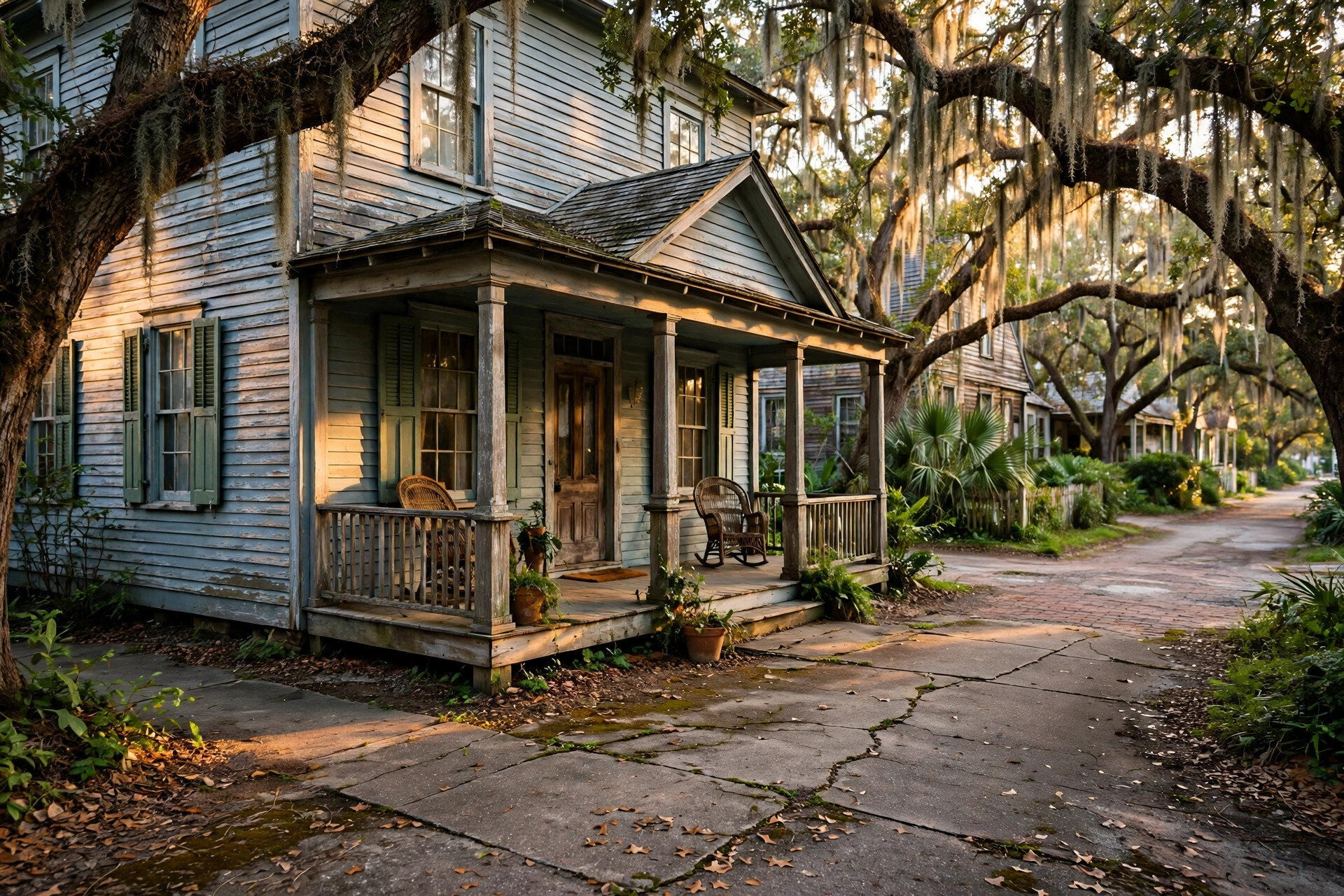
Where a St. Johns County probate happens
Probate for a St. Johns County estate runs through the Clerk of the Circuit Court and County Comptroller, at the Richard O. Watson Judicial Center on Lewis Speedway in St. Augustine. If your relative owned the house in their name alone, the Clerk’s guidance is blunt: the estate has to go through probate to transfer title to the heirs. There is no shortcut deed that skips the court when the owner died holding title solo.
Two early jobs matter:
Deposit the will. Whoever holds the original will has 10 days after learning of the death to deposit it with the Clerk, under Florida law (section 732.901). Find it early, and file it even if you are not ready to open the case yet.
Figure out which track the estate is on. That answer sets your timeline, your cost, and who has the legal power to sign a contract on the house.
The two tracks: summary administration and formal administration
Florida runs probate on two tracks, and the line between them moved this year.
Summary administration is the short track. No personal representative gets appointed. The family petitions, the court enters an order, and the order itself directs the assets to the people entitled to them. It is available when the estate subject to administration in Florida, minus property exempt from creditor claims, does not exceed the legal limit, or when the person who died has been dead for more than two years, whatever the estate is worth.
Here is the part the older guides get wrong: the limit used to be $75,000. Under the law now in force it is $150,000. The Legislature raised it in a 2026 estates bill that took effect July 1, 2026, and the Clerk’s probate page uses the $150,000 figure today. If a website, or a well meaning relative, quotes you $75,000, they are reading the old law. Filing fees at the Clerk run $345 for summary administration for most estates and $400 for formal. The fees are the small part either way; the difference that matters is months and moving parts.
Formal administration is the full process, and most St. Johns County estates with a house land here, because a house usually pushes the counted value past the summary limit once bank accounts and everything else are added. The court appoints a personal representative, creditors get formal notice and a window to file claims (generally three months from the first published notice, with claims barred two years after the death in nearly all cases), and the estate stays open until debts, taxes, and distributions are handled. For many formal cases Florida requires the personal representative to work through an attorney. Plan on one from the start.
Which track are you on? Add up what the estate holds that passes through probate, leave out exempt property, and compare it to $150,000. Then let your attorney confirm it, because the next section changes the math for many families.
Homestead: the rule that decides whose signatures you need
If the house was your relative’s permanent home, Florida probably treats it as protected homestead, and homestead follows its own rules under the state constitution. Three consequences matter for a sale.
First, homestead usually does not count in the $150,000 test above. The statute measures the estate after removing property that is exempt from creditor claims, and protected homestead passes to a surviving spouse or the heirs shielded from most of the person who died’s creditors. A $400,000 house can sit inside an estate that still fits summary administration, if the house is protected homestead and the rest of the estate is small.
Second, a will cannot always give the house away the way it says. If the owner left a spouse or a minor child, Florida law blocks the will from devising the homestead to someone else, apart from leaving it to the spouse when there are no minor children. When homestead is not validly devised, it descends by law: a surviving spouse takes a life estate, the right to live there for life, with the children holding the remainder, or the spouse can elect an undivided half interest instead. In plain terms, the people who have to sign your contract may not match the names in the will, and a title company will want a court order that determines homestead status and names the owners.
Third, none of this is a reason to wait a year to start. The homestead determination is a normal filing your attorney folds into whichever track the estate is on. It just has to happen before a buyer can get insurable title, so raise it at the first attorney meeting, not the last.
Can you sell before probate closes?
Usually, yes. Families lose money assuming the opposite.
On the summary track, once the court’s order is entered, the house belongs to the people the order names, and they can sell it like any owner, subject to the homestead signing rules above. On the formal track, the personal representative can sell during the administration; depending on the will, a court order confirming the sale may be part of the sequence. Either way, the estate does not have to be fully closed before the house changes hands.
What a sale cannot do is outrun the legal authority to sign. Until the order is entered or the personal representative is appointed, nobody can give a buyer clean title, and any buyer who tells you otherwise is selling you a problem. When I work with an estate, the contract follows the court timeline: written offer after a walkthrough, math shown, closing set for when your attorney says the authority is in place. Probate sets the date. It does not have to set a date a year away.
While the case runs, carry the house like an owner, because the estate is one: keep insurance in force (tell the carrier the house is vacant if it is; a standard policy can balk at a vacancy claim), keep taxes and any mortgage current if the estate can, and keep the yard legal. A vacant St. Augustine house in August grows problems fast.
The St. Augustine layer: historic districts and older houses
St. Augustine adds a step Jacksonville families never meet. The city has five local historic preservation zoning districts, HP-1 through HP-5, covering the old core, Lincolnville, and the neighborhoods around them. If the inherited house sits in one, exterior work (roof, windows, siding, paint, porches, fences) needs a Certificate of Appropriateness from the city’s Historic Architectural Review Board before a building permit can issue. Demolishing a building 50 years old or older needs a Certificate of Demolition, anywhere in the city.
Nothing about that stops a sale. It changes the fix up math. A family that repairs an inherited historic house before listing is signing up for approvals, matching materials, and a longer holding period, all while the estate pays the carrying costs. I price the district rules into my offer the same way I price a roof: as a known cost with a known process, not a surprise. Selling the house as it sits hands that whole layer to the buyer, which for most estates is exactly where it belongs.
Outside the districts the problem is simpler: houses in St. Augustine Beach, up US-1, and in the older county subdivisions often come with deferred roofs, older panels, and insurance questions. Financed buyers have to satisfy a lender and an insurer. An estate selling as-is to a cash buyer answers to neither.
Your three options, honestly priced
Keep it or rent it. Works when a family member wants the house, or the numbers work as a rental and someone local will manage it. Be honest about who that someone is. Out of state heirs running a St. Johns County rental from three states away usually sell within two years anyway, after paying for the lesson.
List it. A house in good condition, in a strong neighborhood, with an estate that can carry it through a listing season, will usually gross the most this way. Listing asks the estate to clean the house out, handle repairs (plus historic approvals, if they apply), and wait out a financed buyer’s lender. If the estate can fund that, it is a fair choice.
Sell it as-is to a direct buyer. This is my lane. There is no service fee and no commissions on a sale to me, because there is no listing and no agent. Your closing costs are itemized in the written agreement before you sign, so you can see every line. The offer comes after I walk the house, in writing, with the math shown. The belongings stay your call: take what matters, leave the rest, and the cleanout becomes my job after closing. When title is clear and the estate’s legal authority is in place, I can close in as little as 7 days, with 7 to 21 days typical, and when probate needs more time, the contract waits on the court instead of pressuring your family. For the broader picture, my St. Johns County inherited property sales guide walks the whole county, and selling a house fast in St. Augustine covers the cash sale itself when probate is not the issue.
If you are still early, start with the map, not a buyer. My step-by-step guide to selling an inherited house in Jacksonville covers the sequence most Duval and St. Johns families share, and I wrote a separate piece on whether a house can be sold while it is still in probate. Then, when the family is ready for a number, call me at (904) 867-8673. One walkthrough, one written offer, and if listing beats my number on your house, I will tell you.
Frequently asked questions
Do I have to finish probate before I can sell an inherited house in St. Johns County? No. On the summary track, the people named in the court’s order can sell once the order is entered. On the formal track, the personal representative can sell during the administration, sometimes with a court order confirming the sale. What you cannot do is sell before someone has legal authority to sign, so opening the case early matters more than finishing it fast.
The house was my parent’s home. Does homestead change the sale? Yes, mostly in your favor. Protected homestead passes to a spouse or heirs shielded from most creditor claims, and it is left out of the summary administration value test. It can also change who must sign, because a surviving spouse may hold a life estate with the children holding the remainder. Expect your attorney to ask the court for an order determining homestead status so the title company can insure the sale.
What is the summary administration limit in Florida now? $150,000, measured on the estate subject to administration in Florida after removing property exempt from creditor claims. The limit was $75,000 until the law changed effective July 1, 2026. Summary administration is also available when the person who died has been dead for more than two years, regardless of the estate’s value.
Several of us inherited the house and we do not all agree. Can it still be sold? Not until the owners agree or a court sorts it out. Every owner, including a spouse holding a life estate, has a say. What I can do is give the family one written number everyone can react to. That settles a surprising number of arguments, because the fight is usually about an imagined price, not a real one.
The house is in a historic district and needs work. Is that my problem before selling? Only if you choose to fix it before listing. Exterior work in the HP districts needs a Certificate of Appropriateness before a permit, and that process becomes the seller’s project on a listed sale. On an as-is sale to me, the approvals and the work move to my side of the closing.