
St. Johns County Inherited Property Sales: The Complete 2026 Guide
If you just inherited a house in St. Johns County, you are probably feeling a mix of grief, confusion, and pressure. I have worked with dozens of heirs in St. Augustine, Ponte Vedra, Fruit Cove, and the surrounding areas, and almost every one of them told me the same thing: nobody prepared them for what comes after the funeral.
I am Jesse Wyatt. I buy houses as-is throughout Northeast Florida, and inherited properties are one of the situations I handle most. This guide walks you through everything you need to know about selling an inherited property in St. Johns County, from the probate process to your actual options.
Understanding What You Inherited
First, take a breath. Inheriting a property does not mean you have to make a decision tomorrow. But it does mean you now own (or will own) a piece of real estate with real responsibilities: property taxes, insurance, maintenance, and possibly a mortgage.
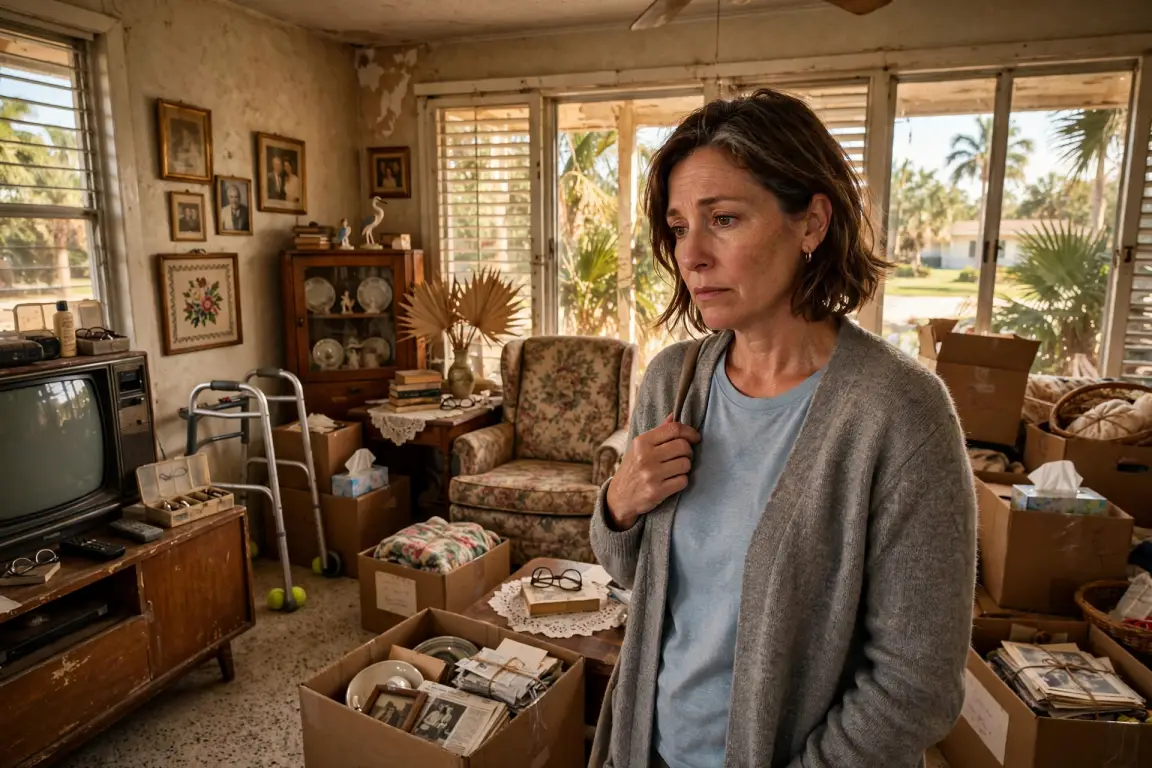
The most common scenario I see in St. Johns County looks like this. A parent or grandparent passes away. They owned a home in St. Augustine or one of the surrounding communities for 20 or 30 years. Now the adult children, who often live out of state, are staring at a house full of belongings, deferred maintenance, and a stack of paperwork they do not understand.
That is normal. And there is a clear path forward.
The Florida Probate Process: What to Expect
In Florida, most inherited properties go through probate. Probate is the court-supervised process of validating a will (if one exists), paying debts, and transferring ownership to the heirs.
How Probate Works in St. Johns County
Probate cases in St. Johns County are handled through the Clerk of Court. Here is the basic sequence:
1. Filing the petition. Someone (usually the named executor or a close family member) files a petition with the court to open probate. This includes the death certificate and the will, if there is one.
2. Appointing a personal representative. The court appoints a personal representative (what Florida calls an executor). This person has the legal authority to manage the estate, including the property.
3. Notifying creditors. The personal representative notifies known creditors and publishes a notice so unknown creditors can come forward. Creditors generally have three months to file claims.
4. Paying debts and taxes. Valid debts get paid from estate assets. This can include the mortgage, property taxes, medical bills, and other obligations.
5. Distributing assets. Once debts are settled, remaining assets transfer to the heirs according to the will or Florida intestacy law.
How Long Does Probate Take in St. Johns County?
For a straightforward estate, probate in Florida typically takes 6 to 12 months. If there are complications (disputes among heirs, unclear title, creditor claims), it can take longer.
However, and this is important, you do not always have to wait for probate to finish before selling. In many cases, the personal representative can sell the property during probate with court approval. I have closed on inherited properties while probate was still open. It adds a step, but it is absolutely doable.
What Does Probate Cost?
Probate costs in Florida generally include court filing fees (a few hundred dollars), attorney fees, and personal representative fees. For a typical estate, total probate costs often run 3 to 7 percent of the estate value. An experienced probate attorney in St. Johns County can give you a more precise estimate for your situation.
Your Three Options for an Inherited Property
Once you understand where you stand legally, you have three main paths. Each one makes sense for different situations.
Option 1: Keep the Property
Keeping an inherited house works when someone in the family wants to live there, or when the property makes sense as a rental investment. In St. Johns County, with the growth around St. Augustine and the beaches, some inherited properties do work well as rentals.
But be honest about the costs. You will need to maintain the property, pay taxes and insurance, and handle any repairs. If the house needs significant work, those costs add up fast. And if multiple heirs are involved, you need everyone to agree on the plan.
Option 2: Rent It Out
Renting can generate income while you decide on a longer-term plan. St. Johns County has a strong rental market, especially near the coast and in growing communities like Nocatee and Fruit Cove.
The downside is that you become a landlord. That means finding tenants, handling maintenance calls, and dealing with vacancies. If you live out of state, you will likely need a property manager, which typically costs 8 to 10 percent of the monthly rent.
Option 3: Sell the Property
Selling is the cleanest option when no one in the family wants to keep the house, when the property needs more work than anyone wants to invest in, or when the heirs just want to settle the estate and move on. This is where I come in.
Why Selling As-Is to a Cash Buyer Makes Sense for Inherited Properties
I am going to be direct with you. Most inherited properties I see in St. Johns County need work. The previous owner lived there for decades, maintenance slowed down in the later years, and now the house needs a new roof, updated plumbing, cosmetic work, or all of the above.
When you list with an agent, you are generally expected to clean out the house, make repairs, stage it, and keep it show-ready for weeks or months. For heirs who live out of town, that is a logistical nightmare.
When you sell to me as-is, here is what happens instead:
You do not clean out the house. Take what you want. Leave the rest. I handle the cleanout.
You do not make repairs. I buy the property in its current condition, whatever that looks like.
You do not pay closing costs. I cover all of them.
You close on your timeline. I can close in as little as 7 to 14 days, or we can wait until probate clears if that works better for you.
This is especially valuable for out-of-state heirs. I have worked with families in Georgia, the Carolinas, Texas, and California who inherited St. Johns County properties. They did not want to fly back and forth managing contractors. They wanted a fair offer, a clean closing, and to be done.
Tax Implications: The Basics
I am not a tax professional, and you should talk to a CPA about your specific situation. But here are the basics every heir should understand:
Stepped-up basis. When you inherit property in Florida, the tax basis generally “steps up” to the fair market value at the time of the previous owner’s death. This means if your parent bought the house for $80,000 in 1995 and it was worth $350,000 when they passed, your basis for tax purposes is $350,000, not $80,000. If you sell for $350,000, you may owe little or no capital gains tax.
Property taxes. You are responsible for property taxes from the date of inheritance forward. If the previous owner had a homestead exemption, that exemption does not automatically transfer. The property will likely be reassessed, which can mean higher taxes.
No Florida estate tax. Florida does not have a state estate tax or inheritance tax. Federal estate tax only applies to very large estates (over $13 million per individual as of 2026).
Again, talk to a tax professional. But the stepped-up basis rule is one of the reasons selling an inherited property sooner rather than later often makes financial sense.
Common Challenges with Inherited Properties in St. Johns County
Multiple Heirs Who Disagree
This is the number one complication I see. Three siblings inherit a house. One wants to sell, one wants to keep it as a rental, one wants to move in. Nobody can agree.
My advice: have the hard conversation early. If you cannot agree, selling and splitting the proceeds is often the path of least conflict. I can work with all heirs to make sure everyone is comfortable with the process.
Title Issues
Older properties sometimes have title complications: an old lien that was never cleared, a boundary dispute with a neighbor, or a break in the chain of ownership. I work with title companies experienced in inherited properties, and most issues can be resolved at closing.
The House Is Full of Stuff
Decades of belongings. Furniture, photos, documents, things with sentimental value mixed in with things nobody wants. This overwhelms almost every heir I talk to.
Here is my standing offer: take what matters to you. Leave everything else. I will handle the rest respectfully. You do not need to empty the house before we talk.
Out-of-State Heirs
If you live in another state, everything about managing a St. Johns County property is harder. You cannot easily check on the house, meet contractors, or handle emergencies. Selling as-is to a local buyer eliminates all of that. I have closed entire transactions remotely, with documents signed electronically and funds wired to wherever you are.
What the Process Looks Like Working With Me
Here is exactly what happens if you reach out:
Step 1: We talk. You tell me about the property and your situation. No pressure, no obligation. I will ask about the probate status, the condition of the house, and what timeline works for you.
Step 2: I look at the property. If you are local, I will come see it. If you are out of state, I can often work from photos and public records. I am not judging the condition. I have seen it all.
Step 3: You get a firm cash offer. Not a range. Not a “maybe.” A specific number, in writing, that I will honor.
Step 4: We close. I handle the title work, coordinate with the probate attorney if needed, and we close at a local title company. You get your funds, and the property is no longer your responsibility.
The whole thing can happen in two weeks, or we can take longer if probate needs to catch up. Your timeline, not mine.
Frequently Asked Questions
Do I have to wait until probate is finished to sell?
Not necessarily. The personal representative can often sell during probate with court approval. I have done this many times. Talk to your probate attorney about your specific case, and I will coordinate with them on timing.
What if there is still a mortgage on the inherited property?
That is common and not a problem. The mortgage gets paid off at closing from the sale proceeds. You do not need to bring money to the table.
What if the property has code violations or liens?
I deal with this regularly. Code violations, tax liens, HOA liens, and similar issues can typically be resolved at closing. I will review the title and tell you exactly how we handle each item.
I live out of state. Can we still do this?
Absolutely. I work with out-of-state heirs all the time. We can handle the entire process remotely with electronic signatures and wire transfers. You may never need to set foot in Florida.
How do you determine your offer price?
I look at comparable sales in the area, estimate repair costs, and factor in my holding costs and a reasonable profit margin. I will walk you through the math if you want to see it. No black box.
The Bottom Line
Inheriting a property in St. Johns County does not have to be overwhelming. Understand the probate process, know your options, and work with people who handle inherited properties regularly.
If selling as-is sounds like the right path, I would welcome the conversation. I have been buying houses in Northeast Florida for over a decade, and inherited properties are some of the most rewarding transactions I do. Not because of the houses, but because I get to lift a genuine burden off a family’s shoulders during a difficult time.
You can reach me through the website or by phone. No pressure, no obligation. Just an honest conversation about your options.