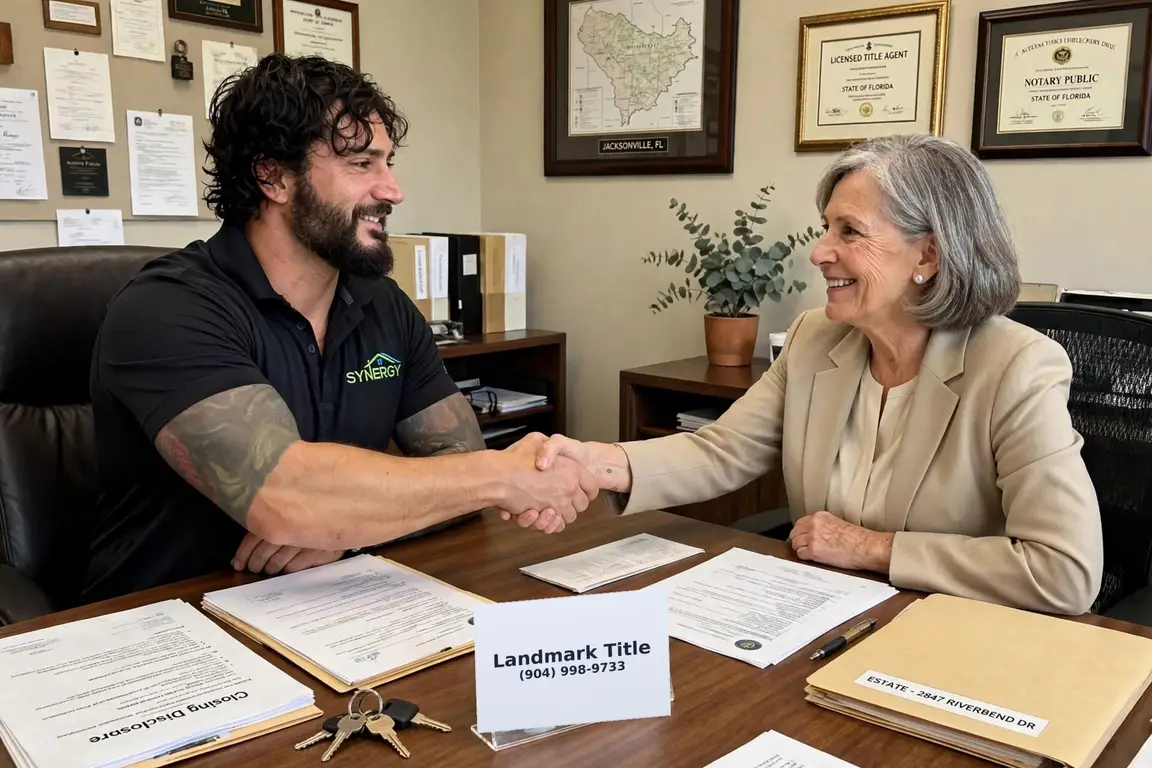

Almost every probate call I take starts with the same sentence, usually from a son or daughter standing in a house that still smells like their parents: I do not even know if I am allowed to sell it yet.
So let me answer the question the way I answer it at that kitchen table. Yes. In Florida, a house can usually be sold while the estate is still in probate. Probate is not a lock on the door. It is a process that decides who has the legal authority to open it, and once that authority exists, the house can be sold like any other house, with a few extra signatures and a little extra patience. I have bought houses in exactly this position for 13 years, across more than 300 transactions, and the families who do best are the ones who understand the sequence early instead of discovering it late.
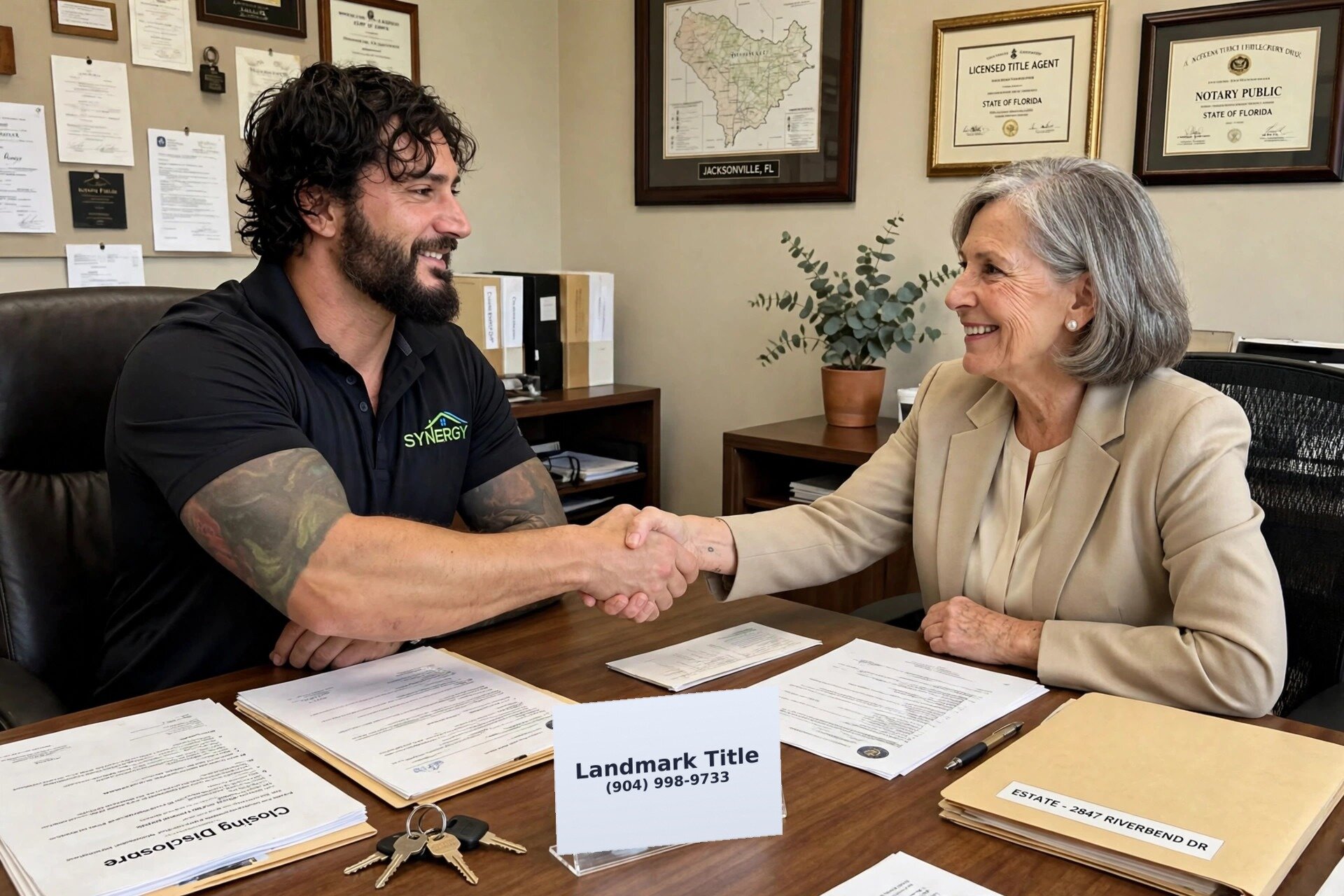
What Probate Actually Controls
Probate is the court process that validates the will, appoints a personal representative, settles the estate’s debts, and transfers what is left to the heirs. While that process runs, the house belongs to the estate, not to any one family member personally. That single fact explains everything else in this article.
It means a well-meaning son cannot sign a deed just because he is the son. It means an heir cannot rent the house out, sell the contents and call it settled, or promise it to a buyer on a handshake and have that promise mean anything. And it means the house is not stuck, either. The estate can sell it. The estate just has to sell it through the person the court has authorized.
Who Is Allowed to Sign
The personal representative is the answer. Once the court appoints one and issues their letters, that person holds the legal authority to manage and sell estate property, including the house. If there is a will, it usually names who that person should be. If there is no will, the court appoints one under Florida’s order of preference, and family agreement makes that step much smoother.
Two honest cautions I give every family. First, until the letters exist, nobody in the family can sign a binding sale, so a contract signed too early is paperwork waiting on authority. Good buyers know this and write the timeline accordingly. Second, some estates carry an extra step: depending on how the will is written and how the estate is structured, a sale may also need a court’s confirmation. That is not a roadblock. It is a defined step with defined paperwork, and a probate attorney handles it as part of the process. The attorney is not an optional extra in a probate sale. I work with a Florida probate attorney on these purchases as a matter of course, and on houses I buy, the probate work is coordinated as part of the deal rather than left for the family to chase.
If you are trying to get oriented before any of this starts, my step-by-step walkthrough of selling an inherited house in Jacksonville covers the full sequence from the first week forward, and my page on inherited property and probate in Jacksonville collects the local specifics in one place.
When in the Process a Sale Can Happen
Earlier than most families think. Once the personal representative is appointed, the estate does not have to wait until probate closes to sell the house. Selling during probate is often the smartest sequencing, for three reasons I see constantly.
The house stops costing money. An estate house sits empty while insurance, taxes, utilities, lawn care, and HOA dues keep running against the estate. Every month of probate with the house unsold is a month those bills come out of what the heirs eventually receive. I lay the carrying math out in detail elsewhere, and it is the quietest money leak in most estates.
Cash is easier to divide than a house. Three heirs can split sale proceeds three ways on paper. Splitting a house takes agreement about price, timing, repairs, and who manages it all, and that agreement is where family friction actually starts. Converting the house to cash inside the estate removes the hardest asset from the negotiation.
The house stops being a liability. An empty house is a target for vandalism, squatters, water leaks nobody notices, and insurance complications, because many policies treat a vacant home differently. Selling during probate closes that exposure down.
How long the probate itself takes is a separate question, and I answer it in my guide to how long probate takes in Florida, which is the post families usually need next. The point for this article is simpler: the sale does not have to wait for the end of that timeline.
Formal Administration, Summary Administration, and Why It Matters for a Sale
Florida runs probate in two main lanes. Formal administration is the full process, with a personal representative appointed and the court supervising the estate through to closing. Summary administration is the shorter lane, generally available for smaller estates or when the person who passed has been gone for more than two years. There is no personal representative in a summary administration in the same sense; the court issues an order that moves the assets.
Why does the lane matter for selling the house? Because it decides whose signature the title company needs and what court paperwork has to exist before a closing can happen. It does not decide whether the house can be sold. Houses sell in both lanes every week in Duval County. What it changes is the checklist, and checklists are exactly what attorneys and title companies are for. When a family calls me before probate is even filed, that is fine too. The conversation starts with where the estate stands, and the offer can be structured to wait for the legal steps instead of pretending they do not exist.
One Florida-specific wrinkle worth knowing: if the house was the person’s homestead, extra protections and restrictions can apply to how it passes and who has rights in it, and a surviving spouse changes the picture again. That is attorney territory, not blog territory, and it is one more reason the attorney conversation should happen early rather than after a contract is signed.
What a Cash Sale Looks Like Inside a Probate
Families sometimes assume the estate has to clean the house out, repair it, and list it the traditional way, because that is what a house sale has always looked like to them. It does not. An estate house can be sold as-is, contents and all, to a buyer who handles the cleanout. For a family that lives out of state, or a house that has forty years of belongings in it, that is often the entire ballgame.
On my side, the process is the same sequence I use on every purchase, adjusted for the estate: a walkthrough on the family’s schedule, a written offer with the reasoning shown, and a closing date picked around the probate steps rather than against them. There are no fees and no commissions from me, and the standard closing costs on my purchases are covered by me. The full mechanics are on my sell my house fast in Jacksonville page. What I ask in return is honesty about where the estate stands: filed or not filed, will or no will, all heirs on the same page or not. Every one of those has a path. They are just different paths, and pretending otherwise wastes everybody’s time.
FAQs
Can I sign a contract before the personal representative is appointed?
You can talk, get offers, and plan, but a binding sale needs the person with court authority to sign. A contract written before the letters exist has to be structured to wait for them. Any buyer who pressures a family to sign as if the authority question does not matter is showing you how they will handle the rest of the deal.
Do all the heirs have to agree to sell the house?
The personal representative holds the authority to sell, so a sale does not legally require every heir’s signature in most estates. Practically, though, family disagreement can slow an estate down, and the personal representative has duties to all the beneficiaries. This is a question I always suggest families put to their probate attorney early, because the answer is cheaper before a contract than after one.
Can the house be sold if it still has a mortgage?
Yes. The mortgage is paid off out of the sale proceeds at the closing table, the same as any other sale. If the estate cannot keep the payments current during probate, that is worth saying out loud early, because it affects timing, and a sale during probate is often how families keep the loan from becoming a foreclosure problem on top of everything else.
What if the house needs major repairs?
Then it sells as-is, in its current condition, and the repair list becomes the buyer’s project. Estates are not expected to fund renovations. A personal representative’s job is to handle the estate prudently, and selling a deteriorated house as-is at an honest, documented price is a defensible, ordinary decision. The written offer and the reasoning behind it become part of the estate’s paper trail.
What if probate has not started at all yet?
That is more common than you would think, especially when the family home is the estate’s main asset. The first step is a probate attorney to open the estate and get the personal representative appointed. I make that introduction routinely on houses I buy, and the sale conversation can proceed in parallel so the family is not losing months to sequencing.
The Answer, One More Time
Yes, the house can be sold while it is in probate. What you need is the right signer, the right sequence, and a buyer who treats the legal steps as part of the deal instead of an inconvenience. Everything else about the sale can look exactly like a normal sale, including selling the house as-is and letting the cleanout be somebody else’s problem.
If your family is standing where I described at the start of this article, call me at (904) 867-8673. Tell me where the estate stands and I will tell you plainly what the path looks like, even if the right first move is the attorney and not a contract. Synergy Redevelopers LLC, 12574 Flagler Center Blvd, Suite 101, Jacksonville. No pressure and no obligation. Just the sequence, in order, from somebody who works it every week.