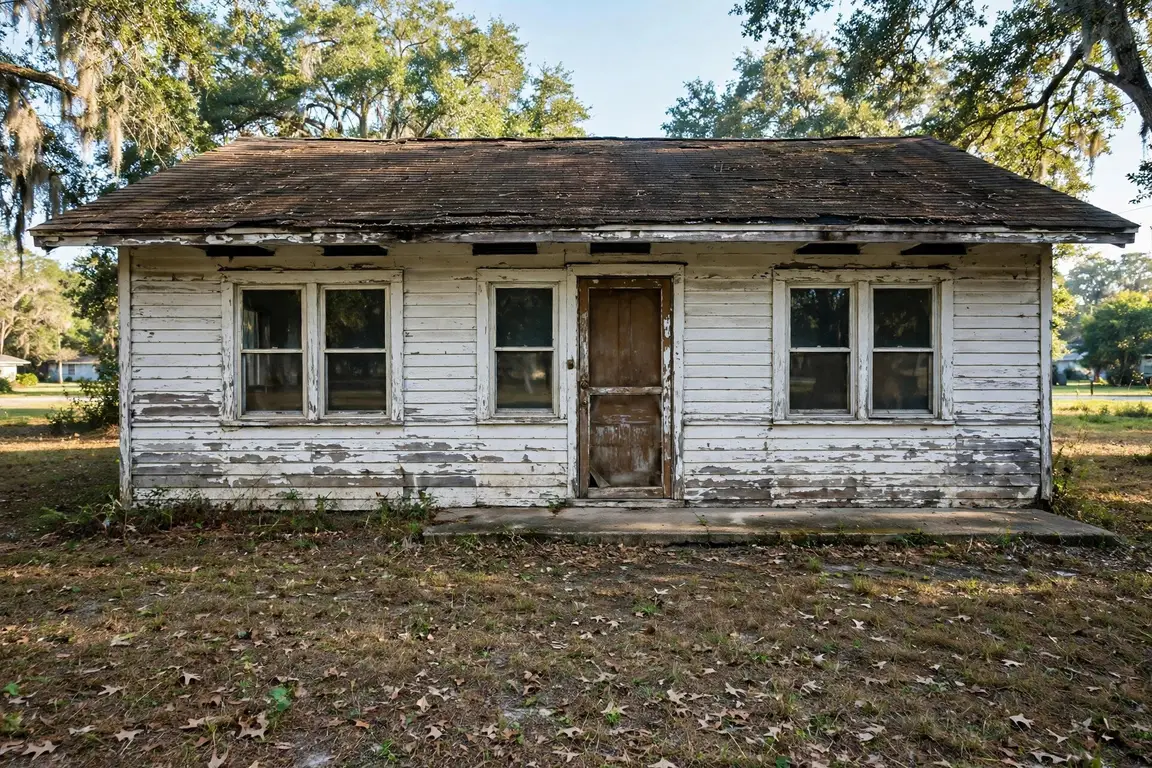

As-is is the most useful phrase in Florida real estate and the most abused one. Sellers write it in a listing thinking it means nobody can ask them anything ever again. Buyers read it thinking the house must be hiding something terrible. Both of them are wrong in opposite directions, and the gap between those two misunderstandings is where as-is deals go to die.
I am Jesse Wyatt, owner of Synergy Redevelopers, LLC in Jacksonville. Buying houses as-is is the core of what I do across Northeast Florida, and I wrote the main guide to selling a house as-is in Jacksonville for the mechanics of the sale itself. This article covers the half that guide leaves out: what as-is legally covers, what it does not, and how honest sellers use it to sell a rough house without drama.
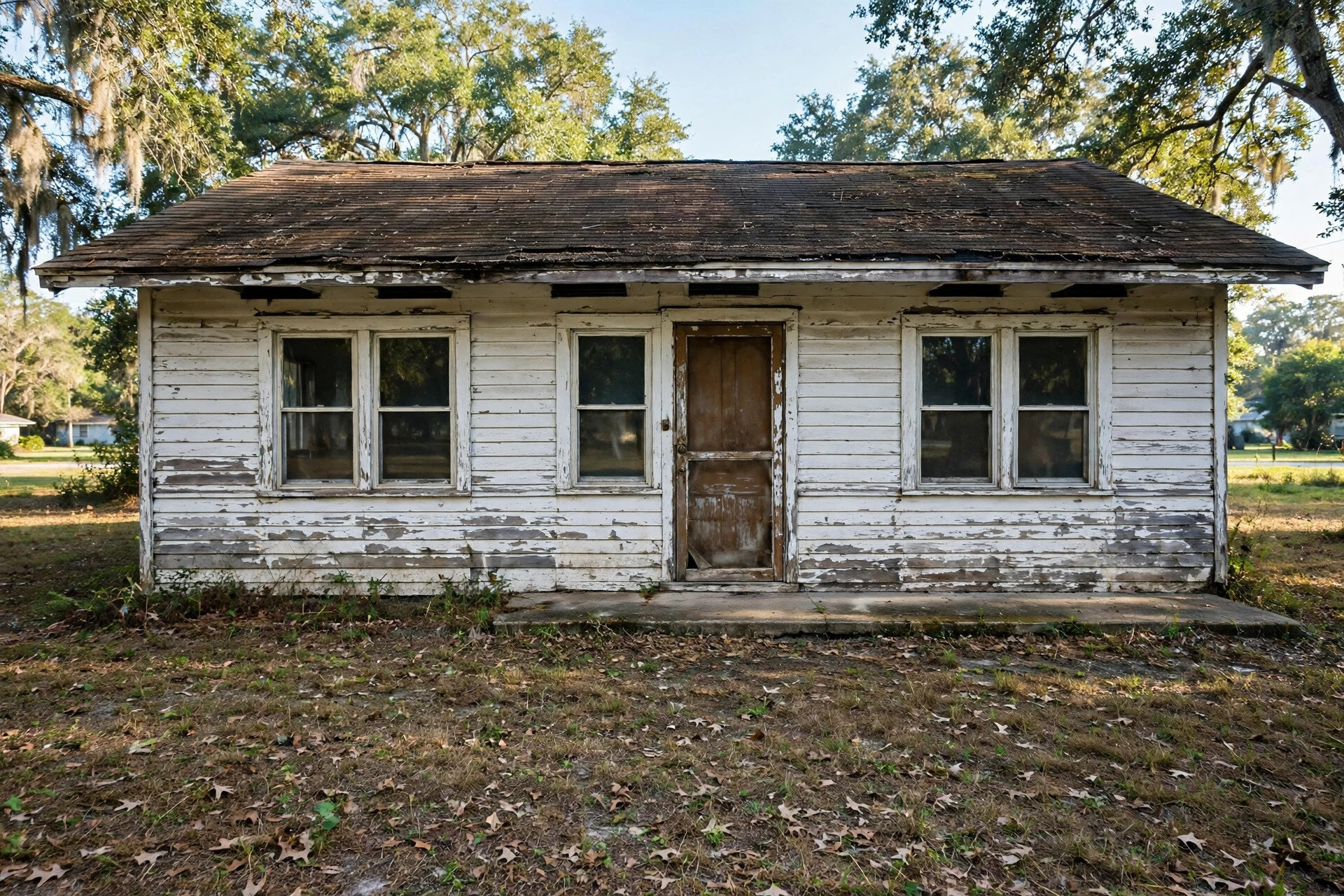
What as-is actually means
An as-is sale means the buyer accepts the house in its current condition and the seller will not make repairs as part of the deal. The price carries the condition. If the roof has two years left, if the air handler is old enough to vote, if the kitchen belongs to another decade, all of that belongs in the number, not in a repair list after closing.
What gets skipped is the repair negotiation, not the rest of the transaction. The title still gets searched. The deed still gets recorded. A title company still runs the closing. The buyer usually still walks the house, not to build a punch list, but to know what they are pricing. When I make an as-is offer, it is a number I intend to close at, and the condition I saw is already inside it.
As-is also does not mean as-is right this second regardless of changes. If a pipe bursts the week before closing and floods the kitchen, that is a new fact, and honest parties deal with it like adults: disclose it and adjust, or disclose it and hold the price if the buyer agrees. What as-is removes is the obligation to fix things. It never removes the obligation to be straight.
The Florida rule as-is does not waive: disclose what you know
Florida law puts a duty on home sellers that survives the words as-is, and every seller in this state should know it. Under a Florida Supreme Court case from 1985, Johnson v. Davis, a seller of a house must disclose facts they actually know that materially affect the value of the property and that a buyer cannot readily observe for themselves.
Read that carefully, because it is narrower and stronger than people assume.
It covers what you know, not what you should have known or what an inspector might find. It covers hidden problems, not obvious ones: the roof leak that only shows in one corner during hard rain, the flooding that reached the baseboards twice, the fire in the back bedroom that was patched and painted. It does not require you to certify the house is perfect, hire an inspector, or warranty anything. It requires you not to hide a known, material, hidden defect, and not to say things that mislead a buyer about one.
An as-is contract clause does not erase that duty. Florida courts have treated as-is language as protection against repair claims and unknown condition arguments, not as a license to conceal. A seller who paints over active water damage the week before listing and writes as-is on the contract has not protected themselves. They have built the buyer’s lawsuit.
This page is my working explanation as a buyer, not legal advice. For a sale with a real defect history, an hour with a Florida real estate attorney is cheap insurance, and I say the same thing to sellers who end up listing instead of selling to me.
Three seller situations, three honest answers
The owner who lived there for years. You know the house: the repairs, the quirks, the one bad storm. Disclose the material things in writing. In my experience the list almost never kills a cash deal, because I am pricing condition anyway. What kills deals is the defect the buyer discovers on their own after being told everything was fine.
The heir or personal representative who never lived there. You cannot disclose what you never knew, and Florida’s duty runs on actual knowledge. The honest answer on the disclosure is that the seller did not occupy the property and has no personal knowledge of its condition, stated plainly instead of guessing. Buyers like me price that uncertainty in. Guessing to look helpful is the one real mistake available to you here.
The landlord selling a tenant occupied house. You know what your maintenance records and your tenants have told you: the plumbing calls, the roof patches, the water heater’s age. That is your knowledge, and it transfers the same way.
What as-is sellers do not have to do
You do not have to repair anything, including items a buyer’s lender would normally demand. That last part is the practical heart of as-is. A financed buyer’s lender and insurer have their own condition opinions, and in Florida an older roof or an aging electrical panel can stall or kill a financed sale no matter what the contract says between buyer and seller. A cash as-is sale removes the lender from the room, which is why as-is and cash travel together so often.
You do not have to clean the house out, deep clean it, stage it, or haul anything away. When I buy as-is, the belongings you leave are my problem on day one after closing, including the ones nobody wants.
You do not have to bring the house up to code, pull permits for old work, or finish the project you started in 2019. Known unpermitted work belongs in the disclosure conversation, because you know about it and it can affect value. Finishing it does not.
The mistakes that actually kill as-is deals
Hiding the one big thing. Covered above. It converts a clean sale into a dispute, and it is the only version of as-is selling that reliably ends in a lawyer’s office.
Pricing as-is like it is renovated. As-is describes condition and process, not a discount category by itself, but a house that needs a roof, a system, and a kitchen cannot carry a top of market price in any process. The market will explain this slowly through months of silence, or a buyer will explain it once through an honest number. I know which conversation I would rather have.
Listing as-is to a financed pool and expecting cash behavior. The contract can say as-is in three places and the lender will still condition the loan. If the house cannot survive lender and insurance scrutiny, the buyer pool that matters is cash, and the marketing should say so from the start instead of after the second failed contract.
Assuming as-is means no paperwork. The disclosure duty, the contract, the title work, and the closing all still exist. What disappears is the repair list and the showing circus, not the legal transaction. If anything on that list sounds like your situation, including the fire damaged house version of it, the paperwork is exactly what protects you.
Questions sellers ask me about as-is sales
Do I have to fill out a disclosure form if I sell as-is in Florida? The legal duty to disclose known hidden defects exists whether or not a form is used. In practice, most Florida transactions use a written seller disclosure, and an estate seller or absentee owner states their lack of personal knowledge on it rather than guessing. Skipping the form does not skip the duty.
Can a buyer sue me after an as-is sale? For a defect you did not know about, as-is is strong protection. For a material defect you knew about, hid, and the buyer could not see, yes, that is the fact pattern Florida’s disclosure duty was built for. Honesty is not just ethics here; it is the whole legal strategy.
Do I need an inspection before selling as-is? No. Many as-is sellers never order one. A buyer may do their own walkthrough or inspection for pricing purposes, and letting them look thoroughly is in your interest: a buyer who has seen everything is a buyer who closes.
Will as-is scare buyers away? It scares financed retail buyers whose lenders will not follow them into a rough house. It does not scare cash buyers who buy condition for a living. Matching the house to the right pool matters more than the label.
What if I do not know what is wrong with the house? Say exactly that, in writing, and let the price reflect the unknown. Investors price unknown houses every week. What nobody prices kindly is a house presented as known and fine that turns out to be neither.
The short version
As-is means no repairs, no cleanout, no lender theater. It does not mean no honesty, and in Florida it never has. Sellers who disclose what they know, price the condition they actually have, and sell to a buyer whose money does not depend on the house being something it is not, close clean and stay closed.
If that is the sale you want, my page on how I buy houses for cash in Jacksonville walks through my process and timeline. Bring me the defect list with the house. I would rather price the truth on day one than discover it on day twenty, and my offer will treat your honesty as what it is: the mark of a seller I want to close with.