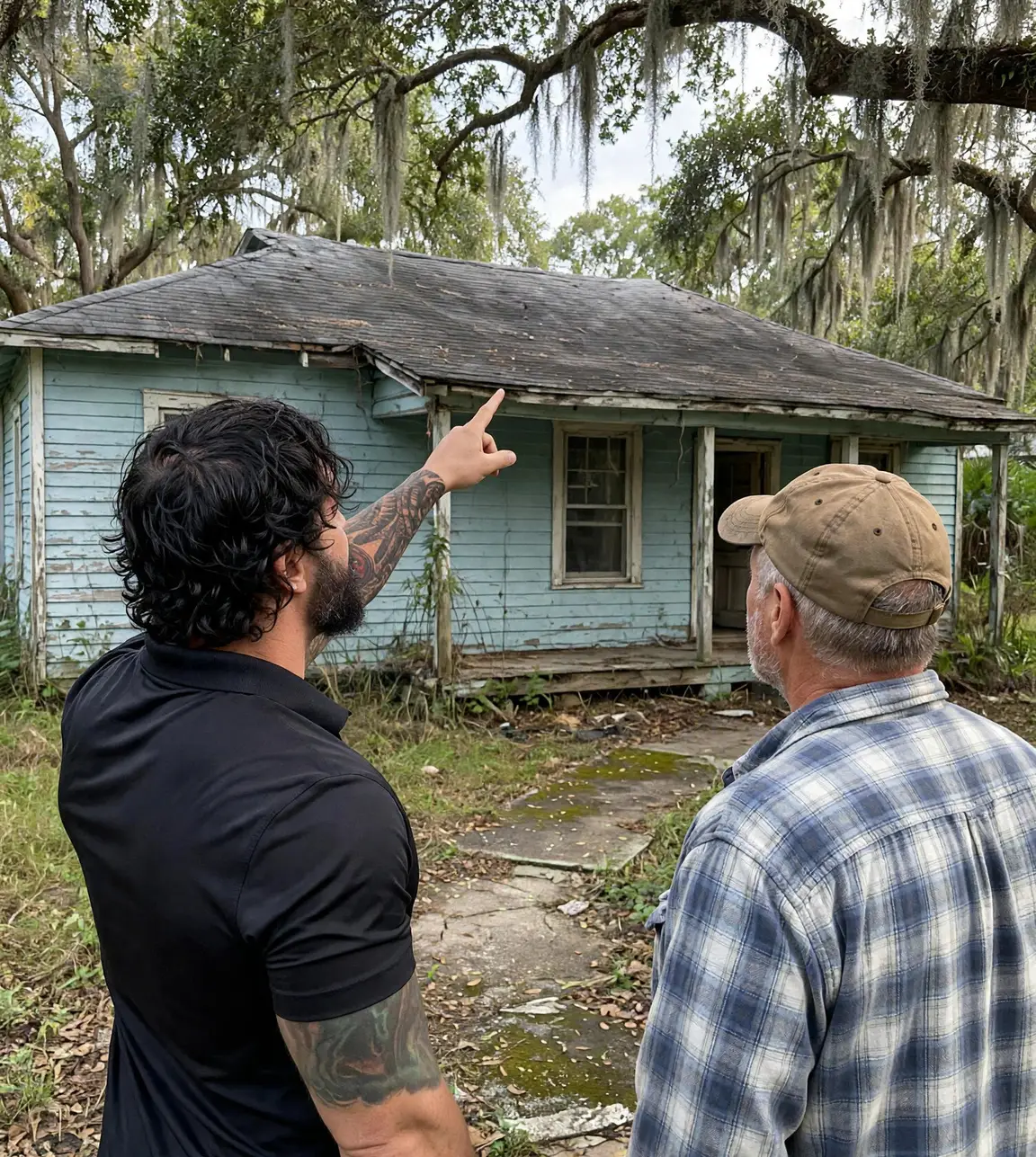
If you own a house in Jacksonville, your mailbox and phone have probably told you the same thing: everybody wants to buy your house. Postcards, texts, letters, calls, all promising the same fast closing.
I buy houses here for a living, and I have done it in Northeast Florida for 13 years. So let me tell you the part the postcards leave out. The offer is the easy part of a cash sale. What decides whether you get paid, on time and at the number you agreed to, is the company behind the offer and the contract they ask you to sign.
Redfin reported that 46.2% of Jacksonville home sales in 2024 were all-cash. That is a lot of buyers competing for houses, and a lot of room for a few to be sloppy, broke, or gone by closing day. Here is what I would check if a company wanted to buy my own house.
Start With the Basics: Can You Find This Company Tomorrow?
A real local buyer is easy to find. Three checks take about ten minutes.
First, look the company up on Sunbiz, the Florida Division of Corporations website. Any company buying houses here as a business should be registered, and the registration should be active. Note the registered name, because it should match the buyer named in your contract later. A company formed last month has no track record for you to check, and that matters.
Second, find a physical address in the Jacksonville area. Mine is 12574 Flagler Center Blvd, Suite 101, Jacksonville. A buyer with a local office is one you can find again if something goes sideways. A post office box and an out-of-state call center give you nobody to look in the eye.
Third, find a named person. When you call, do you reach the same human twice? You want a person who answers for the company, not a rotating voice reading a script.
Read the Reviews, and Read Them Like a Skeptic
Reviews help, as long as you read them for the right thing. A low first offer is a negotiation. A price that drops after the contract is signed is a pattern, and the pattern is what you are looking for.
Read the Google reviews and BBB profile for any buyer you are considering. Look for reviews that describe the whole arc: the offer, the wait, and whether the number at the closing table matched the contract. Reviews with dates, street names, and specifics carry more weight than five-star ratings that all landed the same week with no detail behind them.
Then read the bad reviews. What tells you something is whether the complaints repeat: closings that slid for weeks, repair demands that appeared late, a different person showing up at the end. One angry seller is a data point. Four sellers describing the same late price cut is a business model.
The Contract Terms That Actually Matter
Most cash buyer contracts are short, a page or two plus addenda. Short does not mean harmless. Five spots in that paperwork decide most of what can go wrong.
Who is named as the buyer. Read the buyer line closely. If it names a person or a company followed by “and/or assigns,” the buyer has kept the right to hand your contract to someone else. That is an assignment clause. It is legal in Florida, and it is something you should know before you sign, not after.
The inspection period. What matters is the length and the exit terms. A short window with specific reasons to cancel is normal. A 30 or 45 day inspection period where the buyer can cancel for any reason turns your signed contract into a free option on your house. Your home sits tied up while the buyer decides if the deal is good enough to keep.
The earnest money. Earnest money is the deposit the buyer puts down to show the deal means something. Check three things: the amount, who holds it, and when it is refundable. A deposit held by the title company is the standard setup. A buyer who offers no deposit, or who wants to hold the deposit himself, can walk away at almost no cost to him and real cost to you.
The closing date and the extensions. Look for a specific date, then look for the language after it. “On or about” followed by a right to extend for weeks hands the buyer your timeline. Pick the date that fits your move or your probate timeline, and make sure the contract says so.
Who pays what. The contract should state, in writing, who pays closing costs and whether any fee comes out of your number at the table. If a cost is not written down, assume it lands on you until the paper says otherwise.
One rule covers all five: you do not have to sign the day you see the contract. A confident buyer will leave it with you, let you sleep on it, and let an attorney read it. I would rather wait two days for a seller who has read every line than rush a signature.
Ask for Proof the Money Is Real
Ask it before you sign, and ask it of me too.
A direct buyer can show proof of funds. That might be a bank letter, a statement with account numbers covered, or a title company or lender who will confirm the buyer closes deals with them. The exact form matters less than the reaction. A real buyer expects the question. A buyer who stalls, changes the subject, or takes offense is answering you in a different way.
Know What Comes Out of Your Number
Two sellers can accept the same offer price and walk away with different checks. The difference is what gets deducted between the contract and the closing table.
So ask plainly: is the offer the amount I receive, and if not, what comes out of it? Closing costs, title fees, and any company fee should be named before you sign. If a buyer plans to assign your contract, his fee is paid by the end buyer, but it still comes out of the total the property sells for, which means it comes out of what could have been your price.
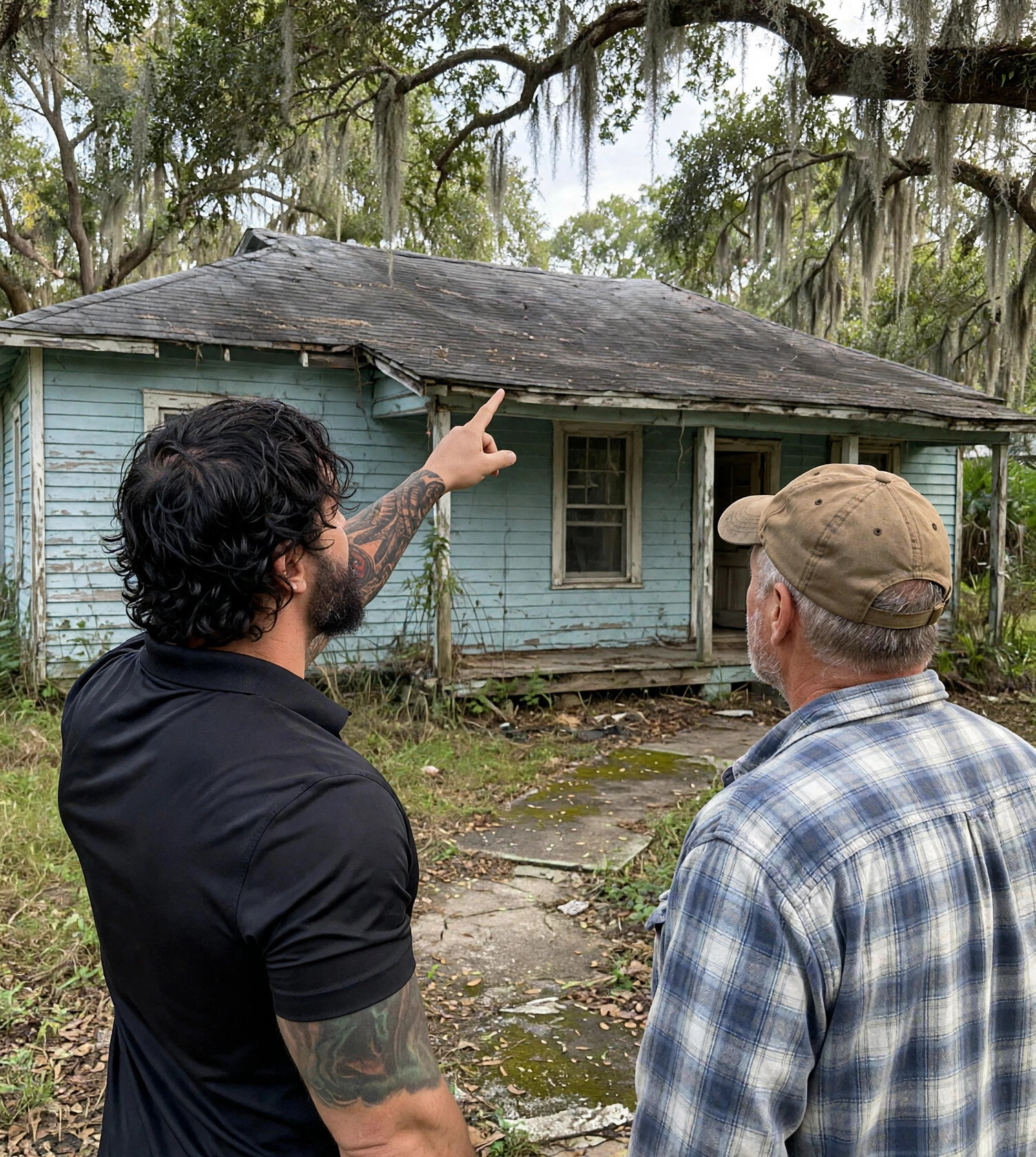
The Vetting Checklist
Run every buyer through it, including me.
- Look the company up on Sunbiz. Confirm the registration is active and matches the name on the contract.
- Find a local address you can visit, and a named person who answers for the company.
- Read Google and BBB reviews for repeated complaints about late price changes.
- Ask directly: “Are you buying this house yourself, or will this contract be assigned to someone else?”
- Read the buyer line in the contract and check for “and/or assigns.”
- Check the earnest money: the amount, who holds it, and when it is refundable.
- Check the inspection period: how many days, and can the buyer cancel for any reason?
- Confirm the closing date is a real date you picked, and find the extension language.
- Confirm who pays closing costs, in writing.
- Ask for proof of funds before you sign.
- Take a day with the contract, and have an attorney read it if anything is unclear.
Red Flags That Should Stop the Signing
- The offer expires tonight, or the buyer needs a signature before he leaves your kitchen.
- The buyer will not show proof of funds, or acts insulted that you asked.
- The buyer will not say whether the contract gets assigned.
- There is no earnest money, or the buyer wants to hold the deposit himself.
- The inspection period runs a month or longer with a cancel-for-any-reason clause.
- The price starts changing after you sign, with no new fact to justify the change.
- The contract has blanks the buyer will “fill in later.”
- The buyer discourages you from having an attorney look at the contract.
Any one of these is a reason to slow down. Two or three together are a reason to walk away.
How I Handle This at Synergy
I run Synergy Buys Houses Jacksonville, and I am the buyer. My company is registered here, my office address is the one I gave you above, and when I sign a contract with a seller, my company is the one closing on the house. The earnest money goes to the title company, the closing date is the date the seller picks, and the contract says who pays what. If a house does not fit what I buy, I will tell you at the start.
My reviews are on Google and on the BBB under Synergy Buys Houses Jacksonville. Read the critical ones along with the good ones, then run me through the same checklist. A buyer who passes it in writing has little room to surprise you later.
FAQs
How can I tell if a home buyer in Jacksonville is legitimate?
Run the basic checks. The company should appear on Sunbiz with an active registration, have a local address and a named person you can reach, and show reviews with real closing stories in them. Then ask for proof of funds before you sign. A legitimate buyer handles all of that without drama, because sellers ask him these questions every week.
What does “and/or assigns” mean in a purchase contract?
It means the buyer named in the contract can transfer it to a different buyer before closing. The terms stay the same on paper, but the person actually buying your house changes. Assignment is legal and common in wholesaling. The problem is only when it is hidden. If your buyer plans to assign, you should know who the end buyer is likely to be, and still see proof the deal can close.
How much earnest money should a cash buyer put down?
Florida sets earnest money by the contract, not by a state minimum, so the amount varies. What matters more is where the deposit sits and when it comes back. A deposit held by the title company, with refund terms tied to specific events, shows commitment. A token deposit held by the buyer himself, refundable for almost any reason, protects him far more than it protects you.
Should I sign with a buyer who needs to find another buyer first?
That arrangement is wholesaling: the first buyer markets your contract to an end buyer and keeps the difference as his fee. It can work, and some sellers take that deal knowingly. The risk lands on your timeline. If no end buyer shows up at the right price, the deal dies late, after your house has sat for weeks. Price that risk in, and keep the inspection period short.
Can I back out after I sign a contract with a cash buyer?
It depends on the contract you signed. Most contracts give the buyer cancellation rights during the inspection period and far fewer rights to the seller, which is why the read-through before signing matters so much. If you are already under contract and worried, a Florida real estate attorney can tell you in one short consultation what your options are.
Before You Sign Anything
The right buyer for your house is the one who survives your questions, not the one who discourages them. Run the checklist on every offer you get, compare what each deal actually leaves in your hand after costs and risk, and sign when the paper matches what you were told.
If you want an offer from a Jacksonville buyer you can check out first, reach me through https://synergybuyshousesjacksonville.com/ or at (904) 867-8673. I will walk your house, give you a number, and leave the contract with you for as long as you need to read it. That is the whole pitch: verify everything, then decide.